


-

Add: HeBei ShengShi HongBang Cellulose Technology CO.,LTD.
-

Email
13180486930@163.com -

CONTACT US
+86 13180486930




Modified starch is a versatile ingredient used across a wide range of industries, from food production to pharmaceuticals and construction. Among the different modified starch types , each serves a unique purpose, depending on the specific needs of the application. Modified starch is produced by altering the structure of natural starch to improve its properties, such as solubility, texture, and resistance to temperature changes. This adaptability makes it a key component in industries where high-performance materials are required. Understanding the various modified starch types is crucial for selecting the right product for each application. For example, some types of modified starches are designed to enhance the texture and mouthfeel of processed foods, while others are used as thickening agents or binders in adhesives, paints, and coatings. In this article, we will explore the different modified starch types , their uses, and how starch ether and its related products, like starch ether China , are driving innovation across industries. The Role of Starch Ether in Modern Manufacturing One of the key innovations in the world of modified starch is starch ether , a derivative of starch that has been chemically altered to provide enhanced functionality. Starch ether is typically used to modify the water retention, adhesion, and texture of starch-based products, making it invaluable in industries such as construction, textiles, and personal care. The versatility of starch ether makes it suitable for a broad range of applications, from improving the consistency of building materials to enhancing the properties of cosmetics and pharmaceuticals. The addition of starch ether to various products imparts superior binding capabilities, better viscosity control, and improved stability. For instance, in the production of starch ether China , which is a widely sourced product for global manufacturers, the ether modification allows for superior performance in products such as adhesives, paints, and coatings. Its ability to control the flow and viscosity of liquids is crucial in applications where consistency is important, such as in the formulation of emulsions and gels. Understanding Starch Ether Uses Across Industries Starch ether uses extend far beyond the food industry, where starch is most commonly associated. In fact, starch ether is increasingly being adopted in numerous industrial applications due to its ability to enhance the performance of products in areas like construction, pharmaceuticals, and personal care. Some of the most common starch ether uses include serving as a thickening agent, stabilizer, binder, and dispersing agent. In the construction industry, for example, starch ether is often included in the formulation of cement and gypsum-based products, such as tile adhesives and plasters. It improves the workability and water retention of these materials, ensuring they stay moist for longer periods during application, which is crucial for proper curing. In pharmaceuticals, starch ether uses as a binder in tablet formulations improve the compressibility and disintegration properties, enhancing the effectiveness and ease of use of the medications. The personal care sector also benefits from starch ether uses , especially in products like lotions, creams, and shampoos. It helps stabilize emulsions, improve texture, and enhance the product's spreadability, making it easier for consumers to apply and absorb. With its wide range of applications, starch ether proves to be a vital component in modern manufacturing processes across industries. Starch Ether China: Leading the Way in Global Production China plays a pivotal role in the global production and supply of starch ether , offering a wide range of products to meet the needs of international markets. Starch ether China has become synonymous with high-quality, cost-effective solutions for manufacturers around the world. The country's advanced manufacturing facilities, combined with its large-scale agricultural production of starch, make it a leading producer of modified starch and starch ether products. The demand for starch ether China continues to grow as industries increasingly turn to modified starch for its numerous benefits. One of the advantages of sourcing starch ether China is the ability to access competitively priced products without sacrificing quality. Chinese manufacturers are constantly innovating and improving their processes, ensuring that starch ether China remains at the forefront of the global market. Whether for use in food production, construction materials, or cosmetics, Chinese suppliers are able to meet the diverse needs of customers around the world. Factors Affecting Starch Ether Price and How to Get the Best Value When it comes to purchasing starch ether , one of the key factors that businesses need to consider is the starch ether price . The cost of starch ether can vary depending on several factors, such as raw material availability, manufacturing processes, and global supply chains. Understanding these factors is essential for businesses looking to optimize their procurement strategy and ensure they get the best value for their investment. Starch ether price is typically influenced by the cost of the underlying starch, as well as the complexity of the modification process required to produce the ether. Additionally, fluctuations in the global demand for modified starches can impact the price, as industries in food production, construction, and personal care all seek to incorporate starch ether into their formulations. Supply chain dynamics, including transportation costs and regional production capabilities, also play a role in determining the final price. To get the best value, businesses should work closely with suppliers to understand the market trends and identify opportunities for bulk purchasing or long-term contracts. When sourcing from countries like China, which offer starch ether China at competitive prices, companies can benefit from lower costs without compromising on quality. Additionally, it is important to consider the overall performance benefits that starch ether provides, as these can offset initial price differences by enhancing the quality and functionality of the final product. M odified starch types , starch ether , and their various applications play a crucial role in a wide array of industries. From improving the workability of construction materials to enhancing the texture of personal care products, starch ether is a vital component in modern manufacturing processes. With starch ether China emerging as a leading supplier on the global market, businesses now have access to high-quality products at competitive prices. By understanding the various starch ether uses and factors that influence starch ether price , companies can make informed decisions to maximize the benefits of these versatile and sustainable materials.
- 40000tons

Production
- 20+years

Experience
- 5000+㎡

Acreage

-

The Producers of Starch Ether An Overview Starch ethers are innovative chemical derivatives produced from starch, a polysaccharide that serves as a primary energy source in many plants. These derivatives are essential in various industries, including food, pharmaceuticals, cosmetics, and papermaking, due to their unique properties. In this article, we will explore the key producers of starch ethers, their manufacturing processes, and their applications. Understanding Starch Ethers Starch ethers are formulated by reacting starch with etherifying agents. This process modifies the starch, enhancing its solubility, viscosity, and thermal stability. Common etherifying agents include ethylene oxide, propylene oxide, and chloroacetic acid. The resultant starch ethers possess characteristics that are highly beneficial for different applications, such as improved binding, thickening, and film-forming properties. Key Producers in the Industry . 2. Roquette Frères A worldwide leader in plant-based ingredients, Roquette Frères specializes in starch derivatives, including starch ethers. Their extensive product range caters to diverse industrial needs, and they focus on producing sustainable, high-performance solutions. Roquette emphasizes continuous innovation, aiming to provide cutting-edge products to enhance the functionality of food, nutraceuticals, and cosmetics. производители эфира крахмала 3. Tate & Lyle Tate & Lyle is renowned for its expertise in food ingredients and solutions. The company produces various starch-based products, including starch ethers. With a strong focus on health and wellness, Tate & Lyle develops formulations that support clean label initiatives while meeting the demands for texture and performance in food products. 4. ADM (Archer Daniels Midland Company) ADM is a global leader in agricultural processing and one of the top starch ether producers. The company’s vast network and expertise allow for the efficient production of starch derivatives. ADM's focus on innovation and sustainability ensures the development of solutions that meet the evolving needs of the market. 5. Ashland Global Holdings Inc. Ashland is known for its specialty chemicals and has a significant portfolio of starch derivatives. The company's starch ethers find widespread applications in personal care products due to their thickening and film-forming capabilities. Ashland's commitment to research enables them to provide customized solutions across various industries. Applications of Starch Ethers Starch ethers are utilized in a multitude of applications. In the food industry, they serve as thickeners and stabilizers, enhancing texture and shelf life. In pharmaceuticals, they improve the formulation of medicines, acting as excipients that aid in the drug delivery process. The cosmetics industry benefits from their film-forming and moisturizing properties, while the papermaking sector uses them for improved adhesion and viscosity. Conclusion The production of starch ethers is a thriving sector due to their versatility and functional benefits across various industries. Leading companies like Cargill, Roquette, Tate & Lyle, ADM, and Ashland play crucial roles in the supply chain, constantly innovating to meet market demands. As industries continue to prioritize sustainability and performance, the relevance of starch ethers is only set to grow, making it an exciting area for future developments.
-
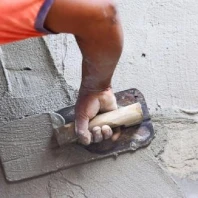
When we think of modified starch , it’s often associated with food and textiles, but its applications go far beyond those sectors. In the industrial and construction fields, modified starch plays an essential role, particularly in improving the performance and durability of various materials. From enhancing the properties of building products to aiding in construction processes, starch ether for construction has become a versatile additive. This article will delve into the modified starch uses in industrial buildings, showcasing the wide range of benefits it offers to the construction industry. Types of Modified Starch for Industrial Construction Modified starch is not a one-size-fits-all solution. There are various types of modified starch designed for specific applications within the construction industry. These modifications often involve chemical processes such as esterification, etherification, or cross-linking, which alter the starch’s properties for better performance. For example, starch ether for construction is specially designed to improve the rheological properties of cement-based products and other construction materials. These starches can be tailored to provide better viscosity control, improve adhesion, or enhance water retention. For industrial buildings, the types of modified starch used include starches modified for specific performance traits. Some types are better for use in adhesive formulations, others for gypsum or cement mixtures, and some are ideal for improving the texture and workability of plaster or mortar. With these versatile types of modified starch, manufacturers can meet the diverse needs of the construction industry by providing products that are strong, durable, and easy to apply. Starch Ether for Construction Starch ether for construction is a key innovation in the construction sector. It is used to modify the properties of cement, plaster, and mortar to achieve desired results in terms of consistency, water retention, and bonding strength. The role of starch ether in construction materials is vital, as it enables manufacturers to create more efficient and workable products, which ultimately leads to better construction outcomes. For example, starch ether for construction can help increase the spreadability and uniformity of plaster, making it easier to apply and reducing the chances of air pockets or bubbles. Additionally, these modified starches can improve the workability of self-leveling floor compounds and tile adhesives, which are essential in modern industrial building projects. The ability to modify the properties of cement and mortar with starch ether helps construction companies streamline their processes and improve the quality of their finished structures. Starch Ether Manufacturers in the Construction Industry The growing demand for starch ether in construction materials has led to the emergence of numerous starch ether manufacturers who specialize in creating tailored products for the construction industry. These manufacturers use advanced technologies to modify starch, providing customers with a wide range of options to suit their specific needs. As the construction industry moves toward more sustainable and efficient building practices, starch ether manufacturers are continuously improving their products to ensure they meet evolving standards. By focusing on creating more eco-friendly, cost-effective, and high-performing starch ethers, these manufacturers are playing a crucial role in the transformation of industrial building materials. Their products are increasingly being used in everything from lightweight concrete to high-performance adhesives, showcasing the versatility and importance of starch ether in modern construction. Benefits of Using Modified Starch in Industrial Construction The use of modified starch in industrial construction offers a wide array of benefits. By enhancing the properties of construction materials, these starches contribute to the strength, durability, and functionality of buildings and structures. Modified starch offers improved water retention, which is essential for the workability of plaster, mortar, and cement mixtures. This allows construction workers to apply the materials more easily and with greater precision. Another key benefit is the enhanced adhesion and bonding strength provided by starch ether for construction . This ensures that materials such as tiles, plaster, and adhesives stay securely in place, reducing the likelihood of cracking, peeling, or separation over time. Additionally, modified starch can help improve the texture and finish of construction materials, providing a smoother and more aesthetically pleasing result. As a result, buildings made with materials containing modified starch are more resilient and visually appealing. The Future of Modified Starch Uses in Construction The future of modified starch in construction looks promising. As the industry continues to evolve, the demand for sustainable and high-performance materials is increasing. Starch ether for construction has already proven its value, and future innovations in starch modification will likely enhance its application even further. Researchers are exploring ways to make modified starch more versatile, such as creating starch-based products that offer even better moisture resistance, increased fire retardancy, and improved environmental impact. The role of modified starch will only grow as construction companies and manufacturers embrace green building practices. Starch is a renewable resource, making it an ideal choice for companies looking to reduce their carbon footprint and produce more sustainable building materials. As more and more starch ether manufacturers develop eco-friendly products, the use of modified starch will become an integral part of the construction industry's move toward sustainability. Modified Starch FAQs What is modified starch and why is it used in construction? Modified starch refers to starch that has been chemically altered to enhance its properties. In construction, it is used to improve the workability, adhesion, and water retention of materials like plaster, mortar, and cement. What are the benefits of using starch ether in construction? Starch ether for construction offers improved workability, better adhesion, and enhanced water retention in construction materials. It helps improve the performance and durability of plaster, mortar, adhesives, and other building materials. Who are the leading starch ether manufacturers in the construction industry? There are many reputable starch ether manufacturers specializing in producing modified starch for construction. These manufacturers focus on delivering high-performance, eco-friendly, and cost-effective starch ether products tailored to the needs of the construction industry. Can modified starch improve the quality of plaster and cement? Yes, modified starch significantly improves the quality of plaster and cement. It enhances water retention, which allows for better workability, and improves adhesion, ensuring that these materials stay intact over time. Is modified starch environmentally friendly? Yes, modified starch is an environmentally friendly material. It is derived from renewable resources like corn, wheat, or potatoes, making it a sustainable option for construction applications. Moreover, starch-based products are biodegradable and have minimal environmental impact compared to synthetic alternatives. Investing in modified starch for your construction projects can significantly improve the quality and performance of your materials while promoting sustainability. Explore our range of starch ether for construction products and see how they can enhance your building processes. Visit our website today to learn more and purchase high-quality starch ether that meets your specific construction needs.
advantages
-

200000 Viscosities
Excellent product
We can produce pure products up to 200,000 viscosities
-

40000 tons
High yield
We don’t stop production all year round, and the annual output can reach 40,000 tons
-

24 hours
Quality service
We provide 24-hours online reception service, welcome to consult at any time
———— Inquiry Form
Schedule A services

-
 hpmc_e5_lv
Oct . 25, 2025
Powder coating rubber might sound like a niche or a novelty in the world of surface finishing, but i - redispersible_polymer_powder_price
Oct . 25, 2025
Navigating the Complex World of Rubber Powder Buyers Rubber powder has emerged as a crucial industri - hpmc_e_50
Oct . 25, 2025
Monofilament polypropylene fiber, a remarkable advancement in the field of construction materials, s


